Complaints Procedure for Commercial Waste Brixton
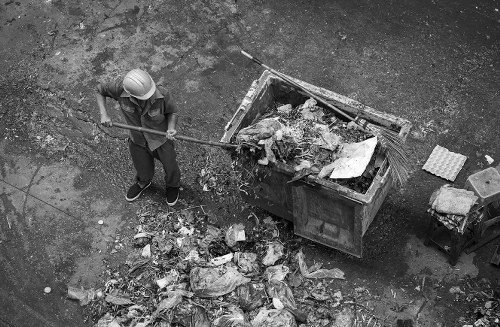 This Complaints Procedure explains how complaints about commercial waste services in Brixton are handled by the waste collection provider. It sets out the scope, the steps we take to investigate issues with business waste collection, and the standards we aim to meet. The policy applies to all aspects of commercial refuse collection, including scheduled rubbish collection Brixton operations, container provision, site access, health and safety concerns and any service failures that affect customers or neighbouring properties.
The procedure covers complaints from commercial customers, property managers and authorised representatives. A complaint is any expression of dissatisfaction about the delivery, timeliness or quality of business waste Brixton services, including failures to collect, missed collections, contamination of skips or poor communication. Complaints are distinct from routine enquiries or service requests and will be prioritised according to potential impact on safety, environment and ongoing operations.
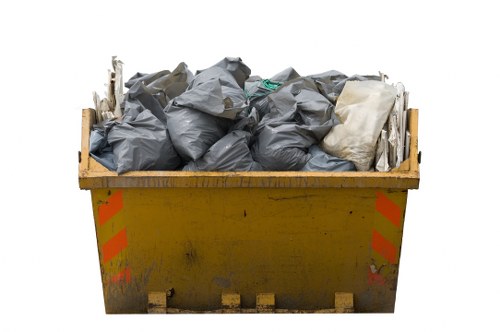 To start a formal complaint, the complainant should provide a clear description of the issue, relevant dates and any photographic evidence where appropriate. Although this is a legal and procedural document and does not include contact details, complaints should be lodged in writing to ensure an audit trail. When we receive a complaint we will record key details, allocate a unique reference and confirm how the complaint will be handled. This ensures clarity and enables effective tracking of the case through to resolution.
How Complaints Are Handled
On receipt, complaints are triaged and acknowledged. The acknowledgment confirms the complaint reference and outlines the expected timescales for investigation. Our aim is to acknowledge every complaint promptly and to investigate proportionately, balancing the need for speed with a thorough review. Investigations involve gathering operational logs, driver records, CCTV where available and site notes to establish the facts around any missed or incomplete collection. Investigations are conducted impartially and documented. Where necessary, we will consult third-party contractors, waste transfer facilities or depot managers to verify chain of custody for materials and to determine whether service standards were met. Findings are recorded and a proposed resolution is prepared. If a health, safety or environmental risk is identified, immediate remedial steps are taken while the broader complaint investigation continues.
Following investigation, the complainant will receive a formal response outlining the findings and any remedial actions. If a service adjustment is required, we will implement operational changes within agreed timescales. Where performance shortfalls are identified, corrective actions may include driver retraining, route adjustments, container replacement or financial redress where appropriate. The response will explain the rationale for decisions and any steps taken to prevent recurrence.
Escalation, Remedies and Review
If the initial response does not resolve the issue, the complaint may be escalated internally to senior operations or compliance staff for a further review. Escalation ensures a fresh assessment and wider authority to offer remedies. Remedies vary by circumstance and may include operational changes, agreed compensation, or formal apologies. All remedies will be documented and monitored to ensure they are delivered as promised. Where a complaint remains unresolved after internal escalation, the complainant has the right to request a secondary review. This independent internal review is conducted by staff not involved in the original investigation. If the secondary review identifies new information or procedural shortcomings, we will take appropriate action and communicate any revised outcome. If the matter still cannot be resolved internally, the complainant may be advised of any external regulatory avenues available for independent consideration.
 We keep records of complaints, outcomes and lessons learned to enable continuous service improvement. Records are retained in accordance with legal and regulatory requirements and are used for training and performance reviews. The complaints process aims to be fair, transparent and proportionate: we investigate thoroughly, respond clearly, and act to prevent recurrence. Complainants should expect respectful treatment and the confidentiality of their information will be maintained unless disclosure is required by law.
Additional procedural notes: 1) timelines given in responses are estimates and may be extended for complex investigations; 2) evidence such as photographs or signed collection records will be sought to support the investigation; 3) anonymous complaints are accepted but may limit the ability to carry out a full follow-up. A summary of systemic issues arising from complaints is reviewed periodically by management to inform service planning and contract performance checks. This helps to improve the reliability of commercial waste collections across our service area and reduce recurrence of reported problems.
By following this complaints procedure, the organisation aims to ensure that every reported issue with business waste Brixton services is handled consistently, recorded properly and resolved efficiently. The policy is designed to support continuous improvement, protect public health and the environment, and maintain high standards for commercial refuse and recycling services across the operating area.
Policy review: this procedure is subject to periodic review to reflect changes in regulation, operational practice and lessons learned from complaints. Updates will be applied to improve clarity and effectiveness in dealing with service issues relating to commercial waste management. The procedure complements other operational policies and sits within a framework of quality and compliance measures designed to uphold service standards.
